
Electric vehicles are becoming increasingly common throughout Bergen County and North Jersey as more homeowners transition toward electric transportation. As EV ownership continues growing, many homeowners are discovering the convenience of charging their vehicle directly from home instead of relying on public charging stations.
However, installing a home EV charger involves more than simply plugging equipment into an outlet. Electrical capacity, panel condition, charger type, installation location, and overall system safety all play important roles in determining the best charging setup for the home.
Understanding the basics of EV charger installation can help homeowners prepare for a safe and reliable long-term charging solution.
TL;DR: What to know about EV Chargers
- Not all homes are immediately ready for EV charger installation.
- Older electrical panels may require upgrades before installation.
- Level 2 chargers are the most common residential charging option.
- Professional installation helps ensure safe operation and code compliance.
- Charging speed depends on the charger type and electrical capacity.
Why Are More Homeowners Installing EV Chargers?
Many homeowners prefer charging at home because it allows them to conveniently charge overnight and begin each day with a fully charged vehicle. Home charging also reduces reliance on public stations and helps simplify everyday vehicle use.
As electric vehicles become more common, professionally installed charging systems are increasingly viewed as valuable long-term home upgrades.
What Type of EV Charger Is Best for Homes?
A standard outlet may charge an EV slowly over extended periods of time, while a Level 2 charger is designed to provide faster and more practical day-to-day charging performance. The best charger setup often depends on:
- Vehicle type
- Daily driving habits
- Electrical system capacity
- Garage or driveway layout
- Desired charging speed
- Professional electricians help homeowners determine which charging system best fits both the property and the home’s electrical capabilities.
Does an EV Charger Require an Electrical Panel Upgrade?
Homes with outdated panels, limited breaker space, or already heavy electrical demand may benefit from upgrades before installation begins. Professional electrical evaluations help determine:
- Whether the existing panel has enough capacity
- If additional circuits are required
- Whether upgrades are recommended
- How the charger may affect overall electrical usage
- This is especially important in older homes throughout North Jersey where electrical systems may not have been designed for today’s higher power demands.
Where Should an EV Charger Be Installed?
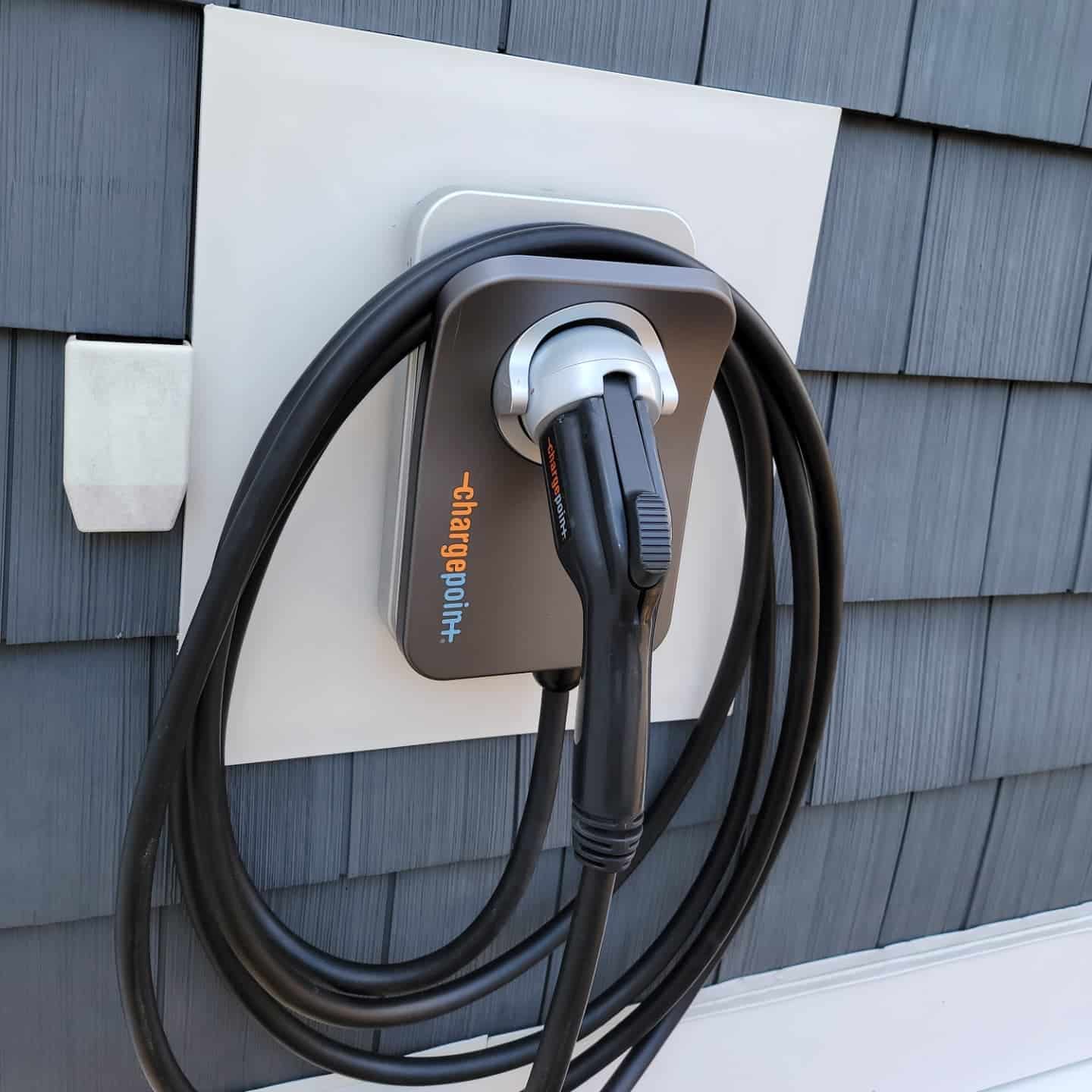
Many EV chargers are installed inside garages or near driveways where charging cables can easily reach the vehicle. Proper placement helps improve accessibility while protecting the equipment from unnecessary exposure and maintaining safe installation conditions.
Professional installation also helps ensure the charger location complies with electrical code requirements and supports long-term reliability.
Why Is Professional EV Charger Installation Important?
- Load calculations
- Circuit sizing
- Grounding requirements
- Electrical code compliance
- Safe wiring practices
- Panel capacity limitations
- Professional installation helps ensure the charger operates safely and efficiently while protecting the overall electrical system throughout the home.
What Are the Long-Term Benefits of Home EV Charging?
Home EV charging offers long-term convenience, improved charging reliability, and easier day-to-day vehicle ownership. Many homeowners appreciate avoiding regular trips to public charging stations while maintaining more control over their charging schedule.
As electric vehicle ownership continues growing, professionally installed charging systems may also become increasingly attractive features for future homebuyers.
At R & J Brothers Electric, our team provides professional EV charger installation, panel upgrades, electrical inspections, troubleshooting, generator installation, and long-term electrical solutions throughout Bergen County and surrounding North Jersey communities. Whether you are preparing for your first electric vehicle or upgrading your home’s electrical system for future charging needs, our experienced electricians can help recommend the right installation solution for your property. Contact us today to get started on your EV charger installation.
Have A Question? We Are Here To Help!
Not always. However, homes with outdated electrical panels, limited breaker space, or higher electrical demand may benefit from upgrades before charger installation.
GFCI outlets are primarily designed to reduce electrical shock risks, but they may also help reduce certain electrical hazards caused by damaged wiring, moisture exposure, or electrical faults that could potentially contribute to larger safety issues.
Licensed electricians help ensure outlets are properly installed, safely wired, and compliant with current electrical safety standards and code requirements. Professional installation helps improve long-term safety, reliability, and overall electrical system performance.


