
Electric Vehicle Charger Installation Services
Looking for a Home or Business EV Charger?
At R&J Brothers Electric, we provide professional electric vehicle charger installation services throughout New Jersey. Whether you’re installing a Tesla Wall Connector, ChargePoint charger, JuiceBox charger, or another EV charging system, our licensed electricians can help you choose the right solution and ensure it is installed safely and correctly.
Electric vehicles are becoming more popular every year, and many drivers are looking for faster, more convenient charging solutions at home and work. While every electric vehicle comes with basic charging capabilities, a professionally installed EV charger can significantly reduce charging times and improve everyday convenience.
What Is the Best EV Charger for Your Home?
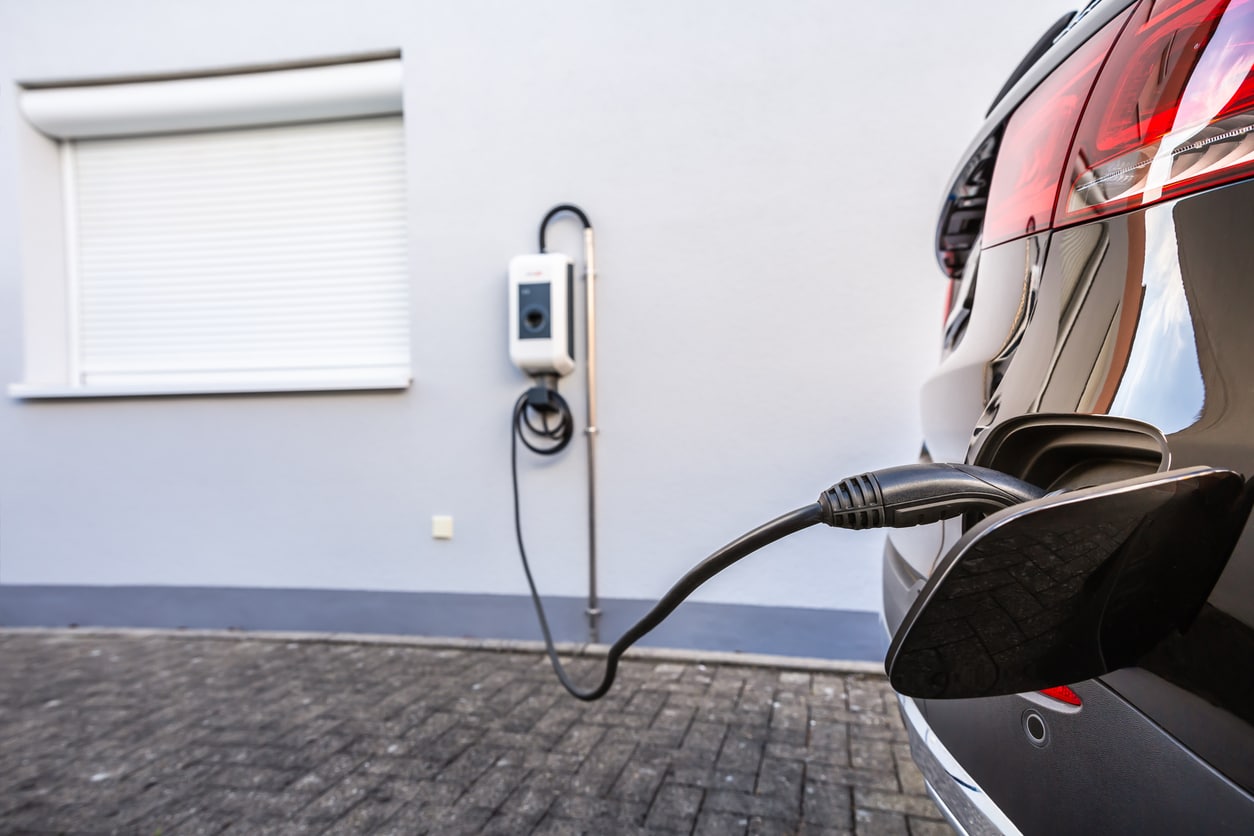
The best EV charger depends on your vehicle, driving habits, electrical system, and charging goals. Most homeowners choose a Level 2 EV charger because it delivers significantly faster charging than a standard wall outlet.
Our team can help evaluate your home’s electrical capacity and recommend the charger that best fits your needs.
Popular options include:
- Tesla Wall Connector
- ChargePoint Home Flex
- JuiceBox EV Chargers
- Universal Level 2 Chargers
- Smart Wi-Fi Enabled Chargers
Professional EV Charger Installation for Faster, More Convenient Charging
Installing a home EV charger can make electric vehicle ownership more convenient while reducing charging times and improving daily reliability. Our team helps homeowners select the right charging equipment, determine whether electrical upgrades are needed, and identify available rebates or incentive programs that may reduce installation costs. From electrical panel evaluations to complete Level 2 charger installations, we provide safe, efficient solutions designed to keep your vehicle powered and ready to go.
Do You Need a Level 2 EV Charger?
A standard 120-volt outlet, often called Level 1 charging, can take more than 24 hours to fully charge some electric vehicles. A professionally installed Level 2 charger uses a 240-volt circuit and can dramatically reduce charging times.
Many EV owners find that a Level 2 charger allows them to fully recharge overnight, making daily driving more convenient and eliminating concerns about battery range.
Do You Need an Electrical Panel Upgrade for an EV Charger?
During the consultation process, R&J Brothers Electric evaluates your electrical system to determine whether your existing panel can safely support the additional load. If upgrades are needed, we can complete the work as part of the installation process.
What to Consider Before Installing an EV Charger at Home
R & J Brothers Electric installs Tesla Wall Connectors, ChargePoint, JuiceBox, and custom EV charging setups for homes and businesses. The location of the charger is particularly important because it affects how the electrical circuit needs to reach your parking area and how conveniently you’ll be able to connect your vehicle.
Before installation, we can also determine whether your electrical panel has sufficient capacity for the additional load. In some homes, an electrical upgrade may need to be considered as part of the project.
Planning these details together helps create a charging setup that works with your vehicle, property, and existing electrical system rather than simply adding equipment wherever space is available.
How Long Does EV Charger
Most residential EV charger installations can be completed within a single day. Installation times may vary depending on the location of the charger, the distance from the electrical panel, and whether any electrical upgrades are required.
Our electricians work efficiently to minimize disruption while ensuring every installation meets current electrical codes and safety standards.

Where Should You Install Your
The best location for an EV charger should make everyday charging convenient while also working with the layout of your home’s electrical system. Start by considering where you normally park and where the vehicle’s charging port will be positioned when it’s in the garage or driveway.
Distance from the electrical panel can also affect how the installation is planned because a dedicated electrical circuit needs to reach the charger location. Available wall space, exposure to the elements, cable reach, and whether you may change vehicles in the future are additional considerations.
R & J Brothers Electric provides installations for several EV charger brands along with custom charging setups, allowing the installation to be tailored to the property and charging requirements.
Rather than selecting a location based solely on where the charger fits, we can consider accessibility, electrical requirements, and your normal parking habits together. The goal is a charging location that’s practical every time you arrive home.
Why Choose
Most residential EV charger installations can be completed within a single day. Installation times may vary depending on the location of the charger, the distance from the electrical panel, and whether any electrical upgrades are required.
Our electricians work efficiently to minimize disruption while ensuring every installation meets current electrical codes and safety standards. Contact us today to get started.

The best charger depends on your vehicle and charging needs. Popular options include Tesla Wall Connectors, ChargePoint chargers, JuiceBox chargers, and other Level 2 charging systems.
A Level 2 charger can charge an electric vehicle several times faster than a standard Level 1 outlet, often providing a full charge overnight.
Yes. Most Level 2 chargers require a dedicated electrical circuit to ensure safe and reliable operation.
Not every home requires an upgrade. A licensed electrician can evaluate your electrical system and determine whether your existing panel has sufficient capacity.
Many utility companies and government programs offer incentives for EV charger installations. R&J Brothers Electric can help identify available rebate opportunities during the installation process.
Most garages can support EV charger installation, but some homes may require electrical upgrades before installation. Factors such as panel capacity, available circuits, electrical service size, charger location, and garage layout all influence installation requirements. R&J Brothers Electric helps homeowners determine whether existing electrical systems can safely support EV charging equipment.
EV charger installation costs depend on the charger type, electrical panel capacity, wiring distance, permit requirements, and whether additional electrical upgrades are needed. Homes requiring panel upgrades or longer wiring runs may have higher installation costs. R&J Brothers Electric installs EV charging systems designed to safely support modern electric vehicles and future charging needs.
Some homes may require panel upgrades before installing EV chargers, especially older homes with limited electrical capacity or already heavily loaded panels. A professional electrical evaluation can determine whether the existing panel can safely support the additional electrical demand created by EV charging equipment.
An EV charger can represent a significant new electrical load, which makes your existing panel an important part of the installation process. Before adding a charger, we need to determine whether the electrical system can safely support the additional demand.
The answer depends on your existing service capacity, current electrical loads, available breaker space, and the requirements of the charger being installed. Older properties with 100-amp service may have less available capacity, particularly when the home already has central air conditioning, electric appliances, or other high-demand equipment. R & J Brothers Electric installs panel upgrades, including upgrades to 200-amp service when additional capacity is necessary.
Needing an EV charger doesn't automatically mean you need a new electrical panel. We can evaluate the existing system and determine what is actually required.
By checking capacity before installation, we can plan the charger and any necessary electrical improvements as one project rather than discovering limitations after the equipment has already been selected.
