Electrical safety is one of the most important parts of protecting a home and the people inside it. While many homeowners recognize standard outlets throughout the house, fewer understand the important role GFCI outlets play in helping reduce electrical shock risks in areas exposed to moisture.
GFCI outlets are designed to improve electrical safety in kitchens, bathrooms, garages, basements, laundry rooms, and outdoor spaces where water and electricity may come into contact. Understanding how these outlets work and why they matter can help homeowners maintain a safer electrical system throughout the property.
TL;DR: Why Are GFCI Outlets Important?
- GFCI outlets help reduce the risk of electrical shock.
- They automatically shut off power when unsafe electrical conditions are detected.
- Moisture-prone areas like kitchens and bathrooms benefit most from GFCI protection.
- Older homes may not have proper GFCI protection installed.
- Professional electrical inspections help identify outdated or unsafe outlets.
What Is a GFCI Outlet?
GFCI stands for Ground Fault Circuit Interrupter. These specialized outlets are designed to monitor the flow of electricity through a circuit and quickly shut off power if an imbalance is detected.
A ground fault occurs when electricity begins flowing outside its intended path, which can happen if electricity comes into contact with water, metal surfaces, or a person. GFCI outlets are designed to react extremely quickly to help reduce the risk of serious electrical shock.
Most homeowners recognize GFCI outlets by the “test” and “reset” buttons located on the front of the outlet.
A ground fault occurs when electricity begins flowing outside its intended path, which can happen if electricity comes into contact with water, metal surfaces, or a person. GFCI outlets are designed to react extremely quickly to help reduce the risk of serious electrical shock.
Most homeowners recognize GFCI outlets by the “test” and “reset” buttons located on the front of the outlet.
Why Are GFCI Outlets Important in Bathrooms and Kitchens?
Bathrooms, kitchens, laundry rooms, garages, and outdoor areas all contain higher levels of moisture and water exposure compared to other parts of the home.
Because water conducts electricity, these environments create a greater risk of electrical shock if electrical devices or outlets become exposed to moisture. GFCI protection helps reduce this risk by shutting off power almost immediately when unsafe electrical conditions are detected.
Modern electrical codes require GFCI protection in many of these locations because of the increased safety benefits they provide.
Because water conducts electricity, these environments create a greater risk of electrical shock if electrical devices or outlets become exposed to moisture. GFCI protection helps reduce this risk by shutting off power almost immediately when unsafe electrical conditions are detected.
Modern electrical codes require GFCI protection in many of these locations because of the increased safety benefits they provide.
How Do GFCI Outlets Improve Electrical Safety?
Traditional circuit breakers are primarily designed to protect wiring and electrical systems from overloads and short circuits. GFCI outlets focus specifically on helping reduce the risk of electrical shock to people.
If the outlet detects electricity flowing improperly, it quickly interrupts the circuit and shuts off power. This rapid response helps reduce the likelihood of severe electrical injuries.
In many situations, GFCI outlets may help prevent dangerous accidents involving damaged appliances, outdoor electrical equipment, bathroom appliances, kitchen appliances, or wiring exposed to moisture.
Because these outlets operate automatically, many homeowners may not even realize a potential hazard was prevented.
If the outlet detects electricity flowing improperly, it quickly interrupts the circuit and shuts off power. This rapid response helps reduce the likelihood of severe electrical injuries.
In many situations, GFCI outlets may help prevent dangerous accidents involving damaged appliances, outdoor electrical equipment, bathroom appliances, kitchen appliances, or wiring exposed to moisture.
Because these outlets operate automatically, many homeowners may not even realize a potential hazard was prevented.
What Happens If a GFCI Outlet Keeps Tripping?
A GFCI outlet may trip because of moisture exposure, damaged appliances, overloaded circuits, faulty wiring, or electrical faults somewhere along the circuit.
Occasional trips may happen if an unsafe condition is detected. However, outlets that trip repeatedly may indicate larger electrical problems that should be professionally inspected.
Recurring GFCI trips may sometimes signal wiring issues, moisture intrusion, electrical deterioration, faulty appliances, or damaged outlets that require further troubleshooting.
Licensed electricians can help identify the underlying cause and recommend the safest repair solution.
Occasional trips may happen if an unsafe condition is detected. However, outlets that trip repeatedly may indicate larger electrical problems that should be professionally inspected.
Recurring GFCI trips may sometimes signal wiring issues, moisture intrusion, electrical deterioration, faulty appliances, or damaged outlets that require further troubleshooting.
Licensed electricians can help identify the underlying cause and recommend the safest repair solution.
Do Older Homes Have GFCI Protection?
Many older homes throughout Bergen County and North Jersey were built before modern GFCI safety requirements became standard.
Older homes may still contain outdated outlets in kitchens, bathrooms, garages, or exterior locations that lack proper ground fault protection. As electrical codes evolved, GFCI installation became increasingly important for improving household electrical safety.
Electrical inspections help homeowners identify outdated outlets and determine whether upgrades may improve safety and code compliance.
Older homes may still contain outdated outlets in kitchens, bathrooms, garages, or exterior locations that lack proper ground fault protection. As electrical codes evolved, GFCI installation became increasingly important for improving household electrical safety.
Electrical inspections help homeowners identify outdated outlets and determine whether upgrades may improve safety and code compliance.
Why Is Professional Electrical Installation Important?
Electrical safety devices must be installed correctly in order to function properly. Incorrect wiring or improper installation may prevent GFCI outlets from providing the protection they were designed to offer.
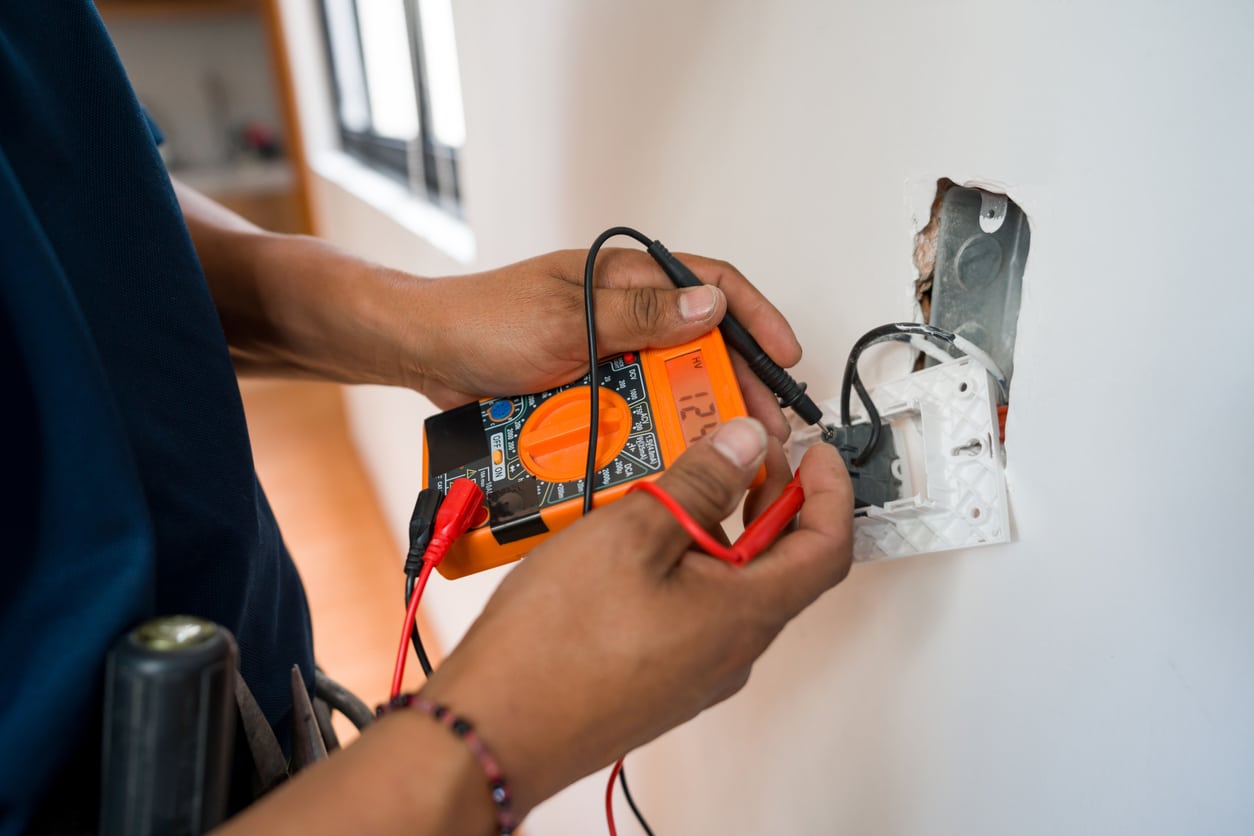
Licensed electricians understand proper wiring methods, electrical code requirements, circuit protection, grounding systems, and safe outlet placement. Professional installation helps ensure the outlet functions properly and provides reliable long-term protection throughout the home.
At R & J Brothers Electric, our team provides professional electrical inspections, troubleshooting, outlet upgrades, panel upgrades, generator installations, EV charger installation, and long-term electrical solutions throughout Bergen County and surrounding North Jersey communities. Whether you are upgrading older outlets or improving overall electrical safety, our experienced electricians can help evaluate your home and recommend the right solutions.
Licensed electricians understand proper wiring methods, electrical code requirements, circuit protection, grounding systems, and safe outlet placement. Professional installation helps ensure the outlet functions properly and provides reliable long-term protection throughout the home.
At R & J Brothers Electric, our team provides professional electrical inspections, troubleshooting, outlet upgrades, panel upgrades, generator installations, EV charger installation, and long-term electrical solutions throughout Bergen County and surrounding North Jersey communities. Whether you are upgrading older outlets or improving overall electrical safety, our experienced electricians can help evaluate your home and recommend the right solutions.
Have A Question? We Are Here To Help!
GCFI FAQs
What does GFCI stand for?
GFCI stands for Ground Fault Circuit Interrupter. These specialized outlets are designed to monitor electrical flow and quickly shut off power when an electrical imbalance is detected, helping reduce the risk of electrical shock.
Why are GFCI outlets important?
GFCI outlets improve electrical safety by helping protect against electrical shock in areas exposed to moisture and water. They are especially important in bathrooms, kitchens, garages, basements, laundry rooms, and outdoor areas where electrical hazards may be more likely to occur.
Where are GFCI outlets required?
GFCI outlets are commonly required in bathrooms, kitchens, garages, basements, laundry rooms, crawl spaces, unfinished areas, outdoor locations, and near sinks or water sources. Modern electrical codes require GFCI protection in many moisture-prone environments to improve overall household safety.
Why does my GFCI outlet keep tripping?
Repeated tripping may indicate moisture exposure, faulty appliances, damaged wiring, overloaded circuits, or electrical faults somewhere along the circuit. While occasional trips may occur for safety reasons, repeated tripping often signals an underlying electrical issue that should be professionally inspected.
Can older homes lack GFCI protection?
Yes. Many older homes were built before modern GFCI safety requirements became standard. Some older properties may still contain outdated outlets in kitchens, bathrooms, garages, or exterior areas that lack proper ground fault protection.
Should GFCI outlets be tested regularly?
Yes. GFCI outlets should be periodically tested to help ensure they are functioning properly. Most outlets include “test” and “reset” buttons that allow homeowners to confirm the safety mechanism is operating correctly.
Can GFCI outlets help prevent electrical fires?
GFCI outlets are primarily designed to reduce electrical shock risks, but they may also help reduce certain electrical hazards caused by damaged wiring, moisture exposure, or electrical faults that could potentially contribute to larger safety issues.
Why should homeowners hire a licensed electrician for outlet upgrades?
Licensed electricians help ensure outlets are properly installed, safely wired, and compliant with current electrical safety standards and code requirements. Professional installation helps improve long-term safety, reliability, and overall electrical system performance.