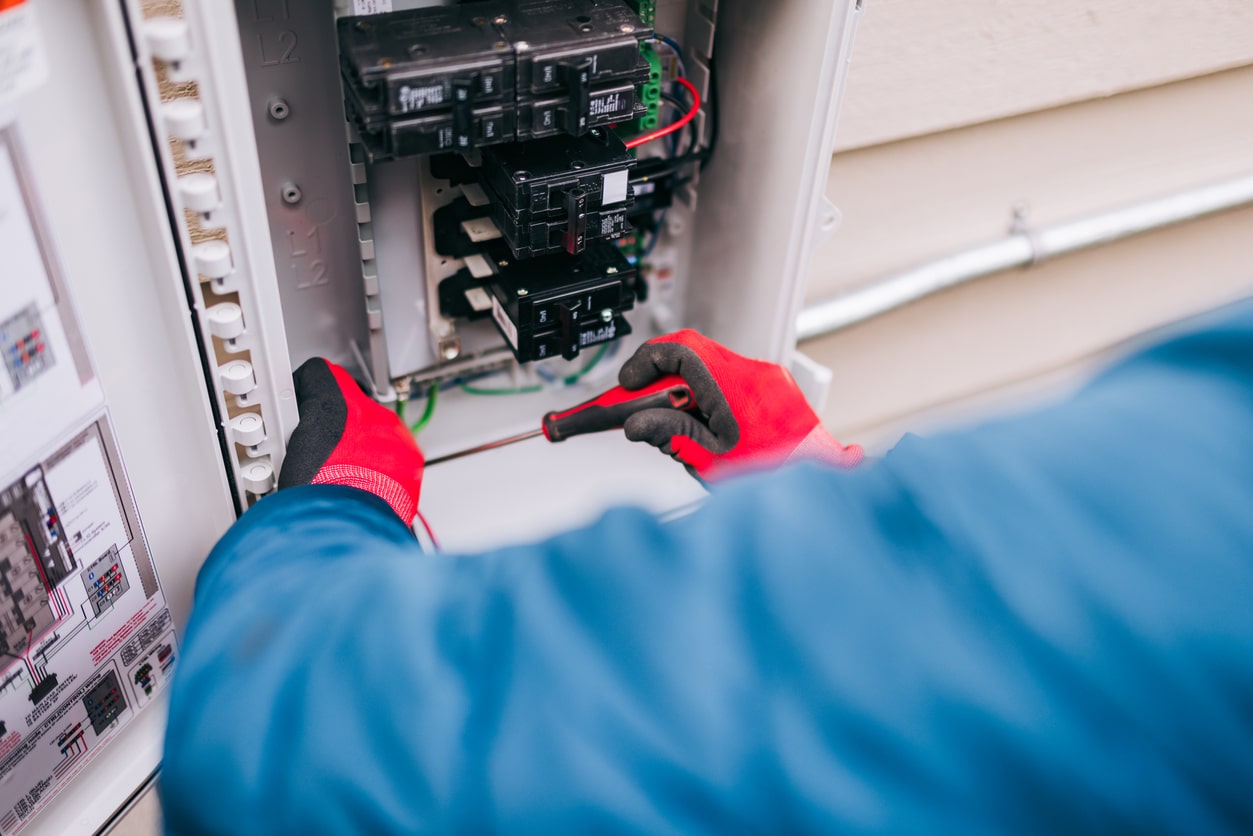
An electrical panel is one of the most important components of a home’s electrical system. The panel distributes electricity throughout the property and helps protect circuits from becoming overloaded or unsafe. As homes age and electrical demands increase, however, older panels may eventually struggle to keep up with modern power usage.
Many homeowners throughout Bergen County and North Jersey do not realize their electrical panel may already be outdated until recurring electrical problems begin appearing. Understanding the warning signs of an aging or overloaded panel can help homeowners identify potential safety concerns before larger issues develop.
Many homeowners throughout Bergen County and North Jersey do not realize their electrical panel may already be outdated until recurring electrical problems begin appearing. Understanding the warning signs of an aging or overloaded panel can help homeowners identify potential safety concerns before larger issues develop.
TL;DR: What Are Common Signs an Electrical Panel Needs Upgrading?
- Breakers trip repeatedly
- Lights flicker or dim throughout the home
- Burning smells or buzzing sounds develop near the panel
- The panel feels warm or shows signs of rust
- Older homes struggle with modern electrical demands
- Frequent electrical problems continue occurring
What Does an Electrical Panel Do?
The electrical panel acts as the central distribution point for electricity throughout the home. It sends power to lighting, outlets, appliances, HVAC systems, and other electrical devices while helping protect the system from overloads and short circuits.
Circuit breakers inside the panel are designed to shut off power if circuits become overloaded or unsafe. Over time, however, older panels may become worn, outdated, or unable to safely handle the electrical demands of modern households.
As homeowners continue adding larger appliances, smart technology, EV chargers, and upgraded HVAC systems, many older electrical panels begin operating under much heavier demand than they were originally designed for.
Circuit breakers inside the panel are designed to shut off power if circuits become overloaded or unsafe. Over time, however, older panels may become worn, outdated, or unable to safely handle the electrical demands of modern households.
As homeowners continue adding larger appliances, smart technology, EV chargers, and upgraded HVAC systems, many older electrical panels begin operating under much heavier demand than they were originally designed for.
Why Do Older Electrical Panels Become Outdated?
Many older homes were built before modern electrical usage became so demanding. Years ago, homes typically used far fewer appliances, electronics, and high-powered equipment.
Today’s homes often rely heavily on central air conditioning systems, multiple televisions, home office equipment, smart home devices, kitchen appliances, EV chargers, and constant charging demands for phones and electronics. Older electrical panels may struggle to safely support this level of power usage.
As electrical demand increases, homeowners may begin noticing recurring problems that suggest the panel is becoming overloaded or outdated.
Today’s homes often rely heavily on central air conditioning systems, multiple televisions, home office equipment, smart home devices, kitchen appliances, EV chargers, and constant charging demands for phones and electronics. Older electrical panels may struggle to safely support this level of power usage.
As electrical demand increases, homeowners may begin noticing recurring problems that suggest the panel is becoming overloaded or outdated.
What Are Common Warning Signs of an Outdated Electrical Panel?
One of the most common warning signs is breakers that trip repeatedly. While occasional breaker trips are normal, frequent trips may indicate overloaded circuits, failing breakers, or a panel that can no longer safely support the home’s electrical usage.
Homeowners may also notice flickering lights, dimming lights when appliances turn on, buzzing sounds near the panel, burning odors, outlets that stop working, or appliances struggling to operate properly.
Some panels may also show visible signs of deterioration such as rust, corrosion, or excessive heat around breakers and electrical connections. In some situations, homeowners may begin relying heavily on extension cords or power strips because the home no longer has enough available circuits to support modern usage needs.
These symptoms may indicate the electrical system is operating under excessive strain or that internal panel components are beginning to fail.
Homeowners may also notice flickering lights, dimming lights when appliances turn on, buzzing sounds near the panel, burning odors, outlets that stop working, or appliances struggling to operate properly.
Some panels may also show visible signs of deterioration such as rust, corrosion, or excessive heat around breakers and electrical connections. In some situations, homeowners may begin relying heavily on extension cords or power strips because the home no longer has enough available circuits to support modern usage needs.
These symptoms may indicate the electrical system is operating under excessive strain or that internal panel components are beginning to fail.
Are Flickering Lights a Sign of Panel Problems?
In some situations, yes. Flickering or dimming lights may occur when electrical circuits become overloaded or when the panel struggles to distribute electricity consistently throughout the home.
Lights that dim when large appliances start running may indicate the system is operating near capacity. While minor flickering can sometimes result from loose bulbs or individual fixture issues, widespread flickering throughout multiple rooms may point to larger electrical concerns.
Professional electrical inspections help determine whether the issue involves the electrical panel, wiring, breakers, or other electrical components throughout the home.
Lights that dim when large appliances start running may indicate the system is operating near capacity. While minor flickering can sometimes result from loose bulbs or individual fixture issues, widespread flickering throughout multiple rooms may point to larger electrical concerns.
Professional electrical inspections help determine whether the issue involves the electrical panel, wiring, breakers, or other electrical components throughout the home.
Why Are Burning Smells or Warm Panels Dangerous?
Burning odors should never be ignored around electrical equipment. A burning smell may indicate overheating wires, overloaded breakers, melting insulation, or loose electrical connections inside the panel.
Similarly, electrical panels that feel unusually warm may signal excessive strain or internal component failure. These conditions can create serious fire hazards if left unresolved.
Homeowners who notice sparks, burning smells, buzzing sounds, or heat around the panel should contact a licensed electrician immediately.
Similarly, electrical panels that feel unusually warm may signal excessive strain or internal component failure. These conditions can create serious fire hazards if left unresolved.
Homeowners who notice sparks, burning smells, buzzing sounds, or heat around the panel should contact a licensed electrician immediately.
Can an Outdated Panel Become a Safety Hazard?
Yes. Aging electrical panels may eventually become unsafe if breakers fail to trip properly or if the panel can no longer safely distribute electrical loads throughout the home.
Outdated panels may increase the risk of overloaded circuits, appliance damage, wiring deterioration, electrical fires, and larger system failures. This becomes especially important in older homes where electrical systems may not have been updated in decades.
Routine inspections help identify potential hazards before dangerous failures occur.
Outdated panels may increase the risk of overloaded circuits, appliance damage, wiring deterioration, electrical fires, and larger system failures. This becomes especially important in older homes where electrical systems may not have been updated in decades.
Routine inspections help identify potential hazards before dangerous failures occur.
When Should Homeowners Consider a Panel Upgrade?
Panel upgrades are commonly recommended when homeowners experience recurring breaker trips, major renovations, increasing electrical demands, or plans for EV charger installation or larger HVAC systems. Many homeowners also upgrade panels when:
- Additional circuits are needed
- Older electrical equipment is still present
- Modern appliances strain the system
- Safety concerns begin appearing
- The existing panel no longer meets household power demands
- Modern electrical panels provide improved safety, greater capacity, and better long-term reliability for today’s electrical needs.
Why Is Professional Electrical Evaluation Important?
Electrical systems are highly complex and potentially dangerous to evaluate without proper training. Licensed electricians understand electrical codes, load calculations, troubleshooting procedures, and safety requirements needed to properly assess panel conditions. Professional inspections help homeowners determine whether:
- The panel is overloaded
- Safety hazards are developing
- Upgrades are recommended
- Additional circuits are needed
- Future electrical upgrades can be safely supported
At R & J Brothers Electric, our team provides professional electrical troubleshooting, panel upgrades, inspections, generator installations, EV charger installation, and long-term electrical solutions throughout Bergen County and surrounding North Jersey communities. Whether you are experiencing recurring electrical problems or simply want to evaluate the safety of your current electrical panel, our experienced electricians can help recommend the right solutions for your home.
Have A Question? We Are Here To Help!
Electrical Panel FAQs
What are signs an electrical panel needs upgrading?
Common warning signs include repeated breaker trips, flickering lights, buzzing sounds, burning odors, warm panels, rust, limited breaker space, and recurring electrical issues throughout the home.
Why do breakers trip repeatedly?
Breakers usually trip when circuits become overloaded or unsafe. Frequent breaker trips may indicate outdated panels, overloaded circuits, failing breakers, or wiring issues.
Can outdated electrical panels become dangerous?
Yes. Older panels may eventually increase the risk of overheating, overloaded circuits, electrical fires, and system failures if they can no longer safely handle the home’s electrical demands.
Are flickering lights always caused by panel problems?
Not always. Flickering lights can sometimes result from loose bulbs or fixture issues, but widespread flickering throughout multiple rooms may indicate larger electrical concerns involving wiring or the panel.
When should homeowners upgrade their electrical panel?
Many homeowners consider upgrades during renovations, EV charger installation, HVAC upgrades, recurring electrical problems, or when the existing panel no longer supports modern power demands safely.
Why should homeowners hire a licensed electrician for panel upgrades?
Electrical panel work involves high-voltage electrical systems and must be performed safely and according to code requirements. Licensed electricians help ensure proper installation, safety, and long-term electrical reliability.